

This article was written by The Zillennial Zine’s fall editorial intern Alexandrea Ciardella. Find her on Instagram at @a6ysma1. If you would like to share an article with The Zillennial, send us an email at thezillennialzine@gmail.com.
In recent years, video games have expanded their subject matter and now cover a wide array of topics. From societal concerns to issues with developing technology, video game narratives have drastically developed within the last decade alone. A more recent development is the subject of mental health, where games bring to light and discuss deep issues, using the game’s narrative to describe what’s going on. Players may face the same issues, making games more relatable to a larger audience. Here’s a list of five video games about mental health.
Fran Bow
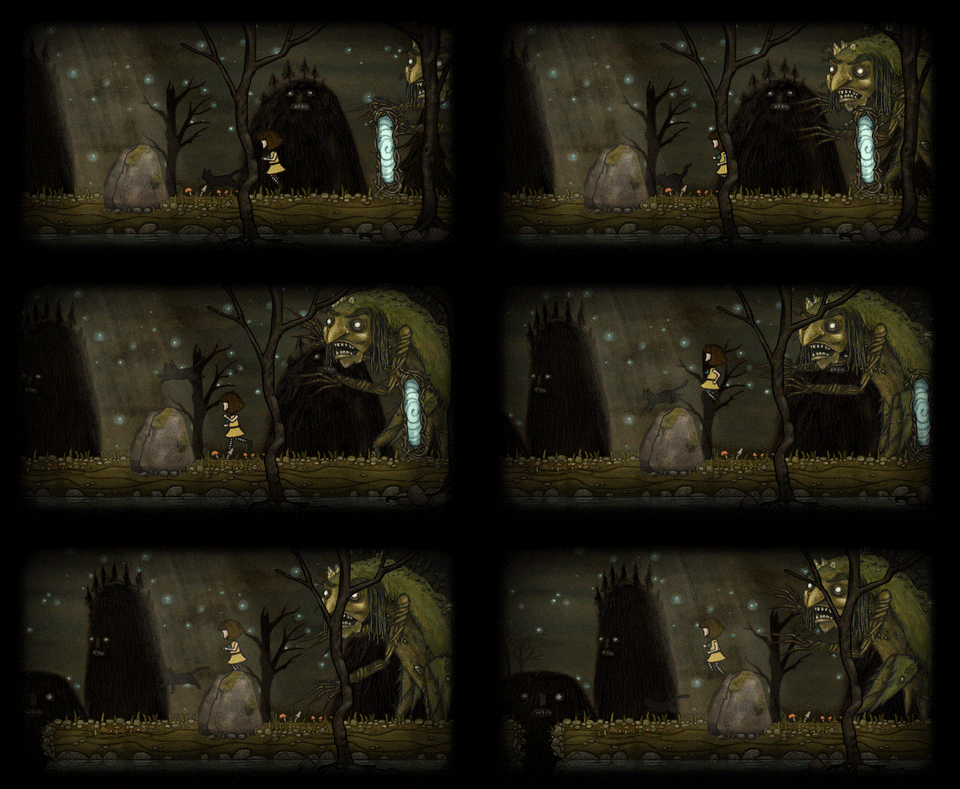
Released in 2015, Fran Bow is the story of a young girl escaping otherworldly horrors as she attempts to reunite with her cat. This game is in the psychological horror genre and may not be for the faint of heart – containing disturbing imagery and serious topics about psychological trauma and abuse.
Despite the horrific nature of some scenes, Fran Bow is a story about overcoming trauma and finding help through friends. The fantastical setting represents Fran’s healing process as she recovers from the death of her parents, sparking the events of the game. Fran meets other characters as she ventures through the story, encountering others who suffer from similar traumas. Though not recommended for casual gamers, Fran Bow is a beautifully animated game that takes you through the process of healing trauma.
Omori
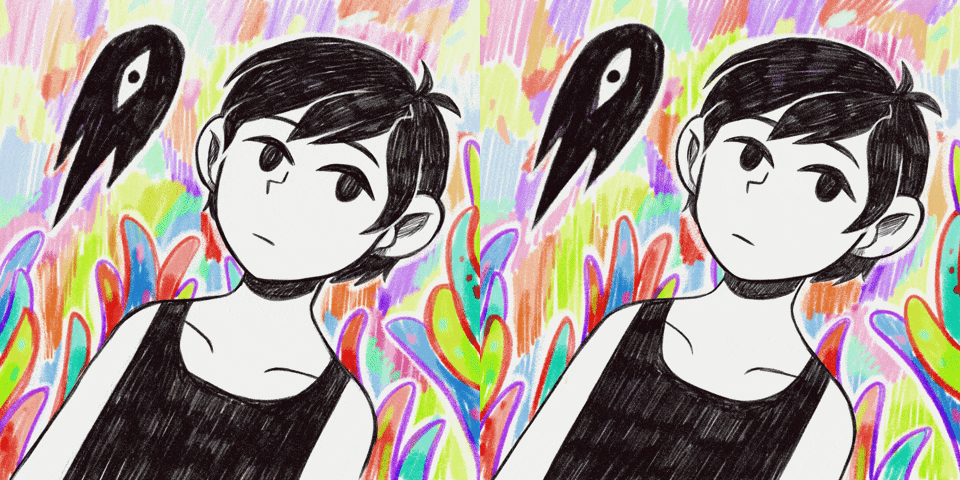
Omori recently gained popularity last year with its release to the Nintendo Switch and PlayStation. In a game about depression and anxiety, the player takes control of Omori/Sunny as the game switches between two realities; the real world and Headspace, a fictional world in Sunny’s imagination. Omori is another horror game not for the faint of heart or those easily disturbed.
A big theme of Omori is escapism and how it is an unhealthy way to cope with depression and anxiety. After an incident that takes place before the game’s start, Sunny’s mental health takes a toll as he is constantly shutting himself away from his friends, preferring to live in Headspace, which Sunny created to cope with his anxiety and depression. Depending on the player’s actions, Sunny can then begin recovering and reconnecting with his friends, showing players that you don’t have to suffer alone.
Night in The Woods
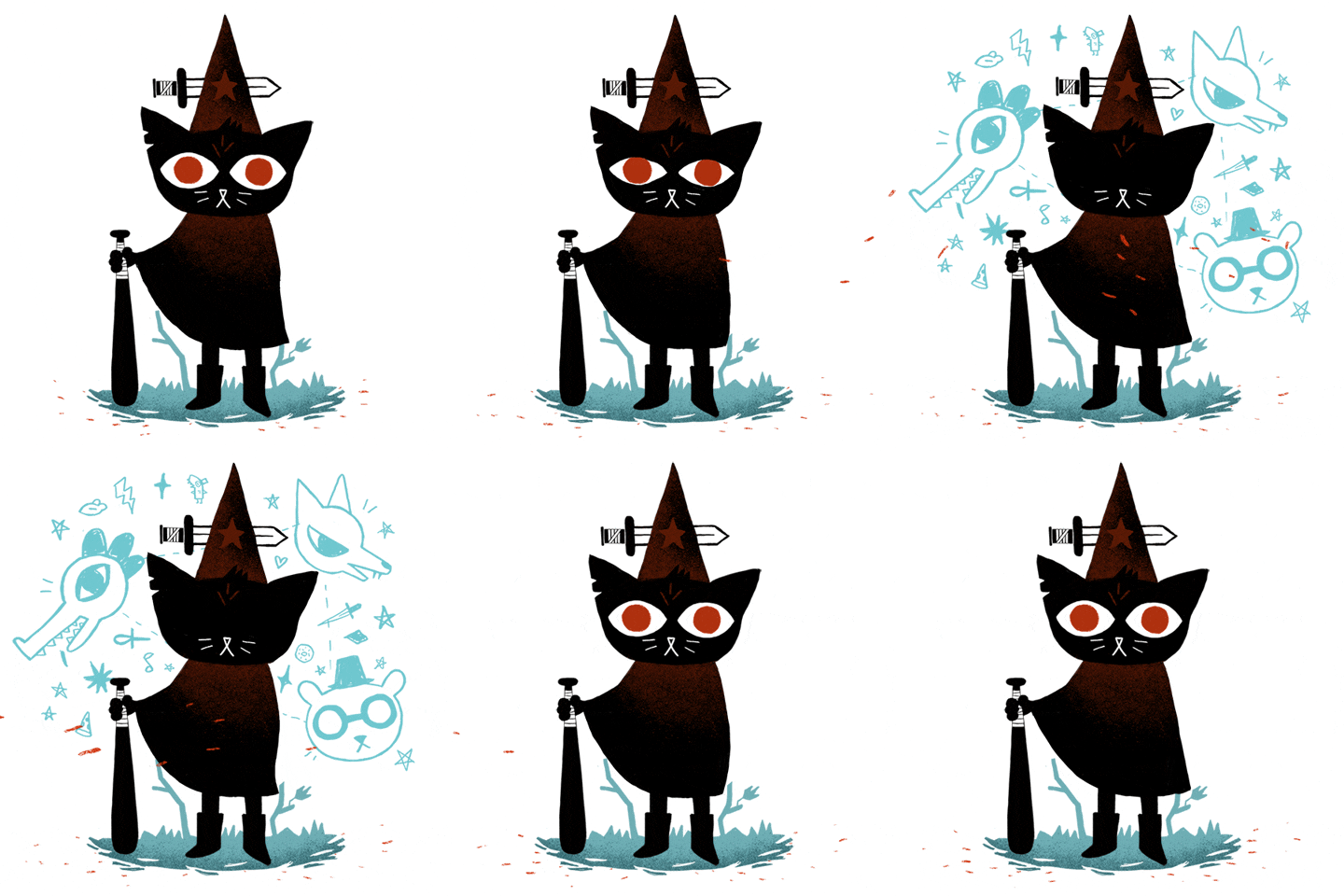
Don’t let the cute visuals fool you; Night in the Woods deals with some serious topics about depression and dissociation. Mae Borowski returns to Possum Springs after dropping out of college, hoping the familiar scenery will help her mental health. But there’s a mystery to solve as Mae discovers there’s a dark secret to her sleepy town as she also discovers that she can no longer ignore her mental health.
Night in the Woods takes on a more narrative-focused gameplay, in which the player’s actions affect the story’s outcome. Mae can interact with almost everyone as the player explores Possum Springs, a facsimile of dying American small towns. Later in the story, it’s revealed why Mae decided to drop out of college and return home, and through Mae’s interactions, she can earn support from other characters as Mae opens up about her issues.
Celeste
Celeste is a unique take on a platforming game, mixing 2D gameplay and a narrative about mental health. The player takes the role of Madeline, a young woman who decides to climb Celeste Mountain to gain self-confidence but is consistently chased and stopped by the representation of her self-doubt and fears.
Though not as dark as some of the other games mentioned in this list, Celeste does address the theme of living with mental illness rather than ignoring it. The reason why Madeline is determined to climb Celeste Mountain is to rid herself of “Badeline,” a physical manifestation of her fears and doubts. Badeline is constantly antagonistic towards Madeline, feeding into her fears and creating obstacles to make her journey more dangerous. Celeste shows players how sometimes the only person stopping you from recovery can be yourself.
Disco Elysium
Disco Elysium is a unique entry on this list, as it is the only game where the protagonist’s mental health is secondary to the main plotline. A detective role-playing game set in the fictional world of Elysium, Detective Harry Du Bois deals with his demons as he solves a murder case that goes deeper than he could imagine. Disco Elysium has some elements of mental illness involving addiction and depression, and the incredible part of the game is that it is completely up to the player if they want to explore those topics.
A big part of the game are the abilities and skills that Harry can develop throughout the game. These skills are similar to those in Dungeons and Dragons; some deal with the psyche, while others may be physical or emotional. These skills allow dialogue or action options to appear and can alter Harry’s mental state. A few choices allow Harry to speak to himself, to understand why he allows his addiction, and why it is so difficult for him to stop. The agency of choice presented to players makes the moment all the more moving, because it allows the player to confront this issue head on or to focus on the main narrative.
Are there any other video games about mental health that we missed? Leave a comment below and let us know if we should make another list.


Leave a Reply